
Search: Yield Farming
Find Academy posts, guides, and explainers by keyword.
 3944
3944What is ApeCoin? A Comprehensive Guide to ApeCoin, Ape Chain, and the Ape Ecosystem
ApeCoin (APE) is a governance and utility token introduced by the ApeCoin DAO (Decentralized Autonomous Organization). It is closely associated with Yuga Labs, the creator of popular NFT collections such as Bored Ape Yacht Club (BAYC) and Mutant Ape Yacht Club (MAYC). ApeCoin enables decentralized governance, allowing token holders to participate in decisions related to the Ape ecosystem. It also functions as a utility token within various platforms, such as The Otherside metaverse, games, and NFT marketplaces.
 3092
3092What’s the Difference Between a CEX and a DEX?
The cryptocurrency world offers various ways to trade digital assets, but two of the most prominent platforms are Centralized Exchanges (CEXs) and Decentralized Exchanges (DEXs). Each type of exchange serves a unique function, with distinct advantages and disadvantages. Understanding the key differences between these two models is essential for anyone looking to navigate the crypto space efficiently.
 2365
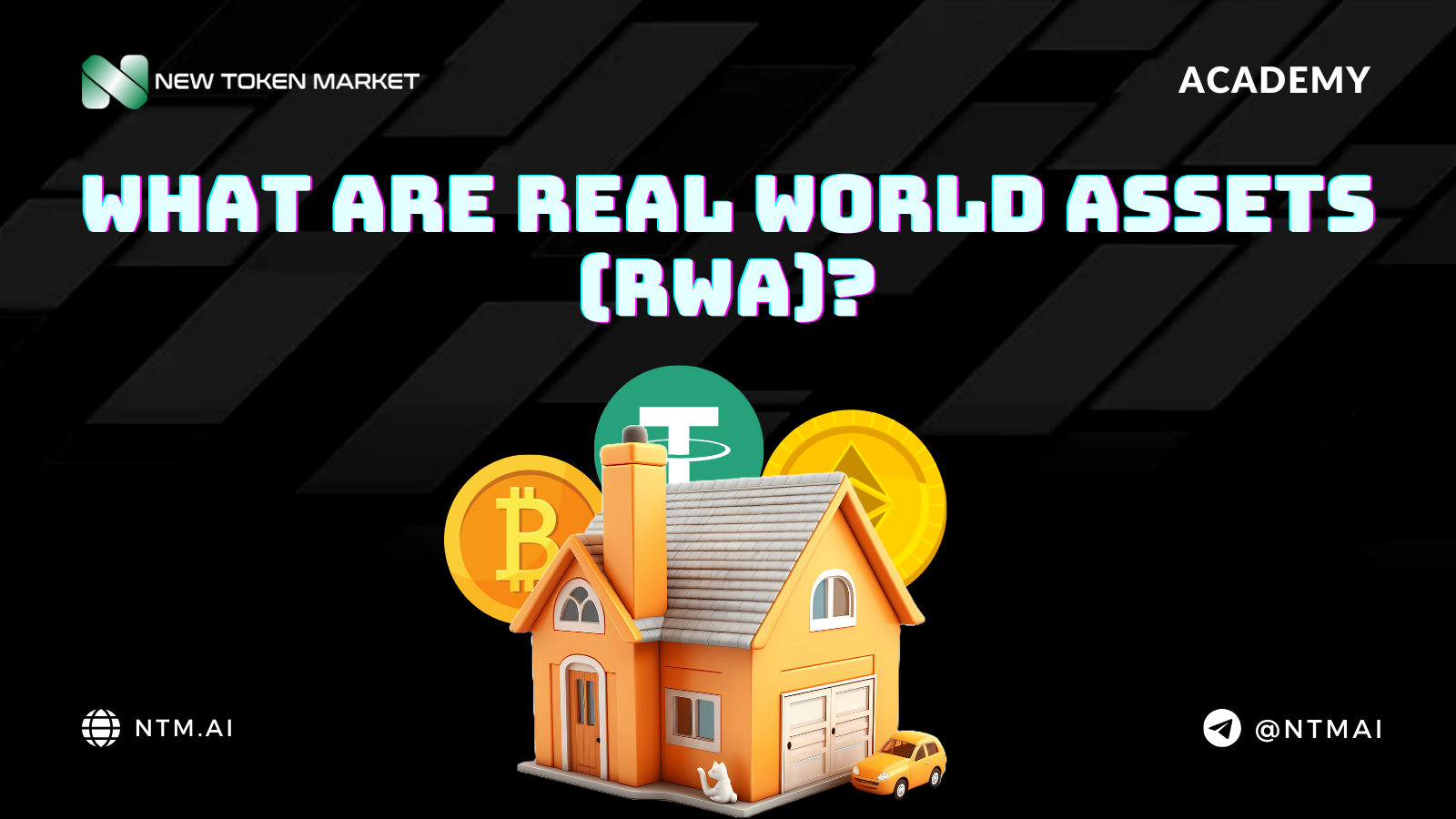
2365What Are Real World Assets (RWA)?
Real World Assets (RWAs) refer to physical or tangible assets that exist outside the blockchain world but are represented digitally through tokenization on a blockchain. These assets can include anything from real estate, commodities, and precious metals, to art, stocks, bonds, or even invoices. Essentially, RWAs allow for the digitization and fractionalization of real-world value, making these assets more accessible and tradable in the DeFi ecosystem.
 2417
2417How to Analyze DeFi Projects
Decentralized Finance (DeFi) has transformed the financial landscape by enabling users to lend, borrow, trade, and earn interest on their cryptocurrencies without intermediaries. With thousands of DeFi projects available, analyzing these projects is crucial for making informed investment decisions. This article will outline the key factors to consider when analyzing DeFi projects, with examples of popular tokens and platforms.
 452
452What Is DeFi 2.0 and Why Does It Matter?
Decentralized Finance (DeFi) has transformed the financial landscape by offering blockchain-based solutions that eliminate intermediaries and provide users with greater control over their assets. As the DeFi space continues to evolve, a new wave known as DeFi 2.0 has emerged, aiming to address the challenges of the original DeFi model. This article will explore what DeFi 2.0 is, its key features, and why it matters in the broader context of the financial ecosystem.
 26
26What Are Wrapped Tokens and How Do They Work in DeFi?
Wrapped tokens are a crucial innovation in the world of decentralized finance (DeFi), enabling interoperability between different blockchains. A wrapped token is essentially a tokenized version of another asset, representing the original asset on a different blockchain. This allows users to leverage assets from one blockchain on another, unlocking more liquidity and expanding the use cases of various cryptocurrencies.
 25
25What Is Yearn.finance (YFI) and How Does It Work?
Yearn.finance (YFI) is a decentralized finance (DeFi) platform that provides users with automated tools to maximize yield farming and staking returns. Launched in 2020 by developer Andre Cronje, Yearn.finance simplifies the process of interacting with various DeFi protocols by automatically moving users' funds across platforms to find the highest yields. It is one of the most innovative and user-friendly platforms in the DeFi space.
 28
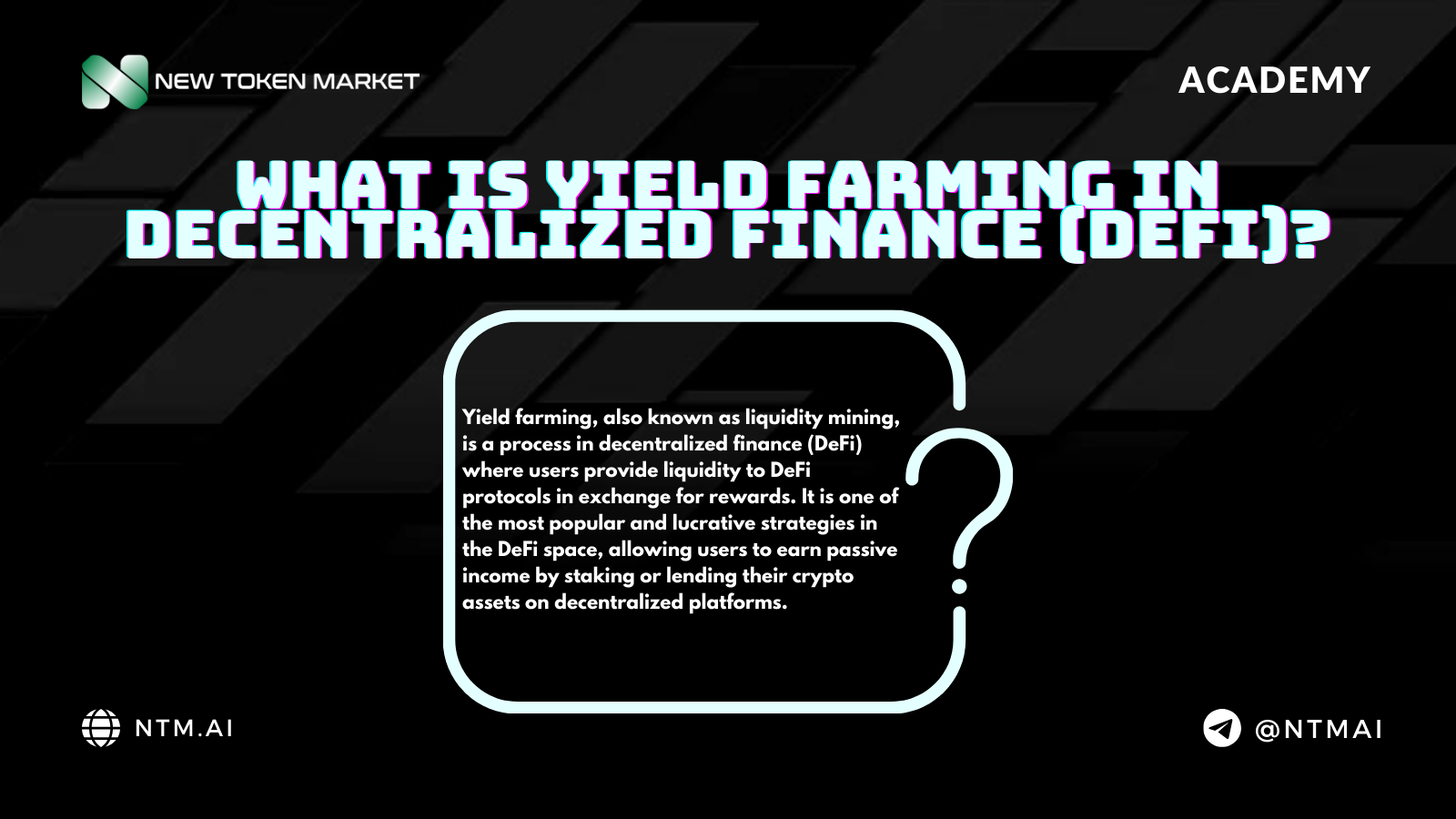
28What Is Yield Farming in Decentralized Finance (DeFi)?
Yield farming, also known as liquidity mining, is a process in decentralized finance (DeFi) where users provide liquidity to DeFi protocols in exchange for rewards. It is one of the most popular and lucrative strategies in the DeFi space, allowing users to earn passive income by staking or lending their crypto assets on decentralized platforms.
 55
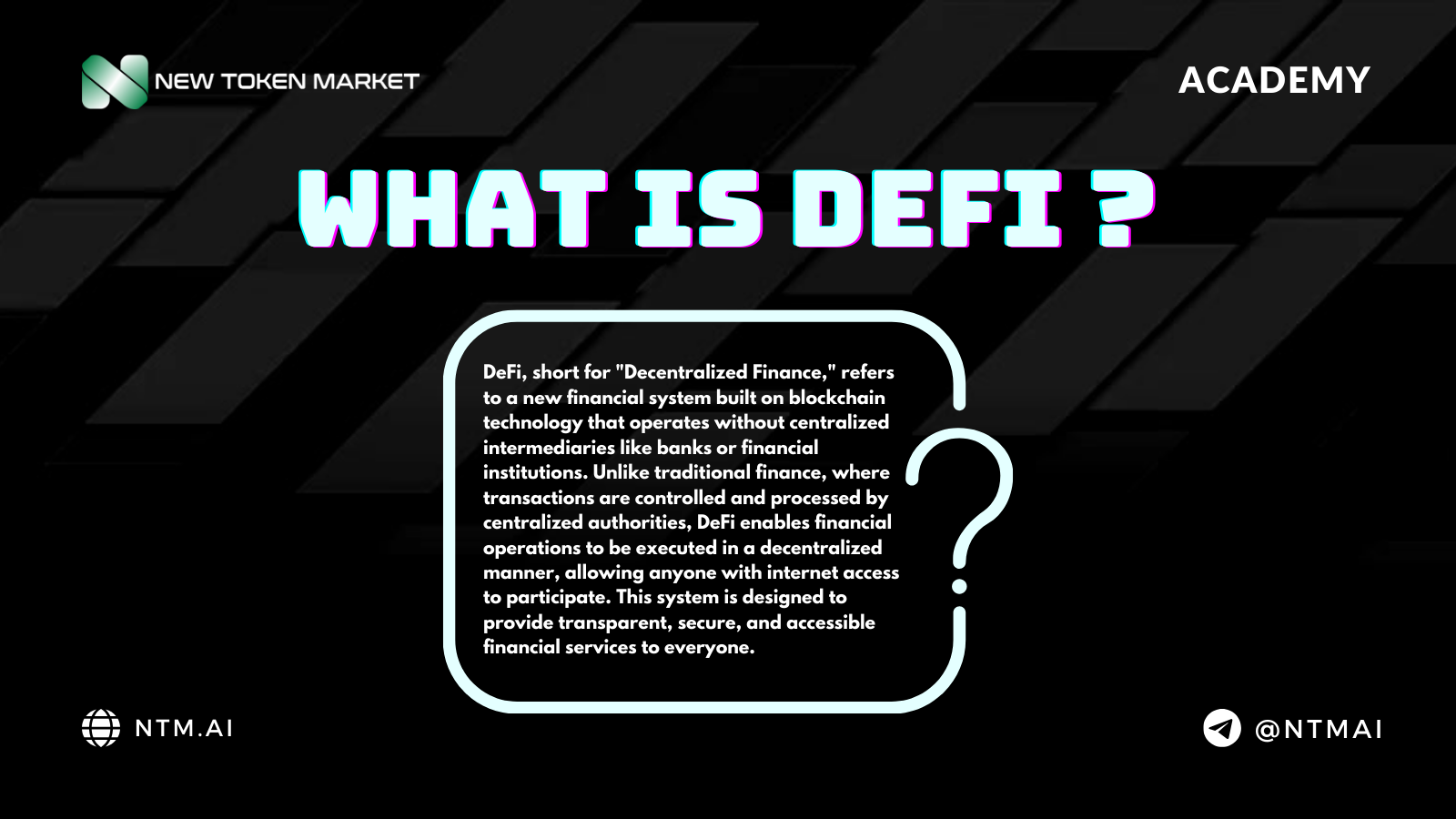
55What is DeFi (Decentralized Finance)?
DeFi, short for "Decentralized Finance," refers to a new financial system built on blockchain technology that operates without centralized intermediaries like banks or financial institutions. Unlike traditional finance, where transactions are controlled and processed by centralized authorities, DeFi enables financial operations to be executed in a decentralized manner, allowing anyone with internet access to participate. This system is designed to provide transparent, secure, and accessible financial services to everyone